
Brand Positioning and Messaging.
Define how your brand is understood, what sets it apart, and how that value is communicated across your website, content, and customer touchpoints.
Book a strategy call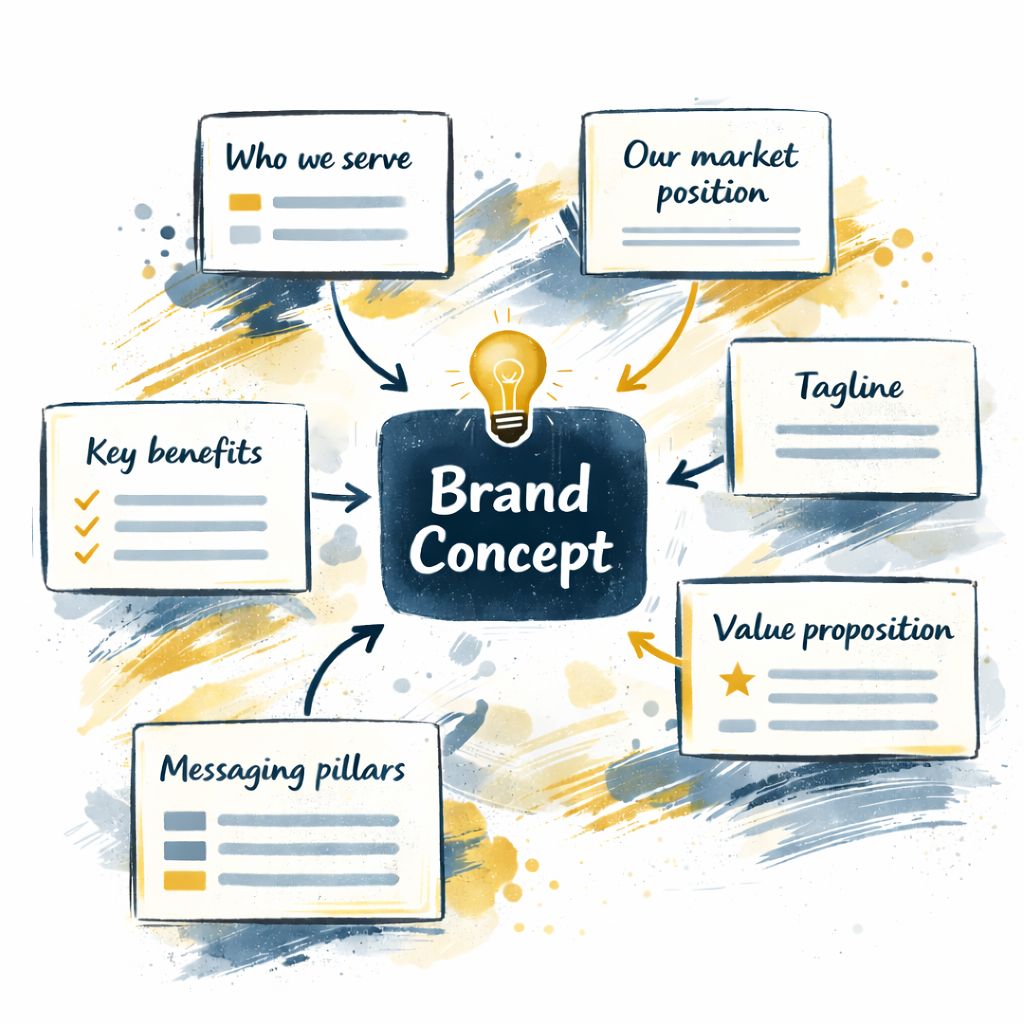
Get clear on what you stand for and how to communicate it.
Strong brands are built on clear positioning. That means knowing your audience, understanding your place in the market, and being able to explain your value in a way that lands. Without that foundation, messaging drifts. Teams describe the business differently, content lacks direction, and your value takes longer to land with the right people.
We define both your positioning and your messaging so your brand is understood quickly and communicated consistently.
Positioning vs messaging: What’s the difference?
Positioning and messaging work together, but they serve different purposes. Without clear brand positioning, messaging becomes generic. With it, everything becomes more focused, consistent, and easier to act on.
💡 Brand positioning defines your role in the market. It shapes how your business is framed internally, which includes who you serve, where you compete, and the value you bring.
💡 Brand messaging turns that into language people can understand. It carries your positioning across your website, landing pages, and content, influencing how your audience interprets and evaluates your offer.
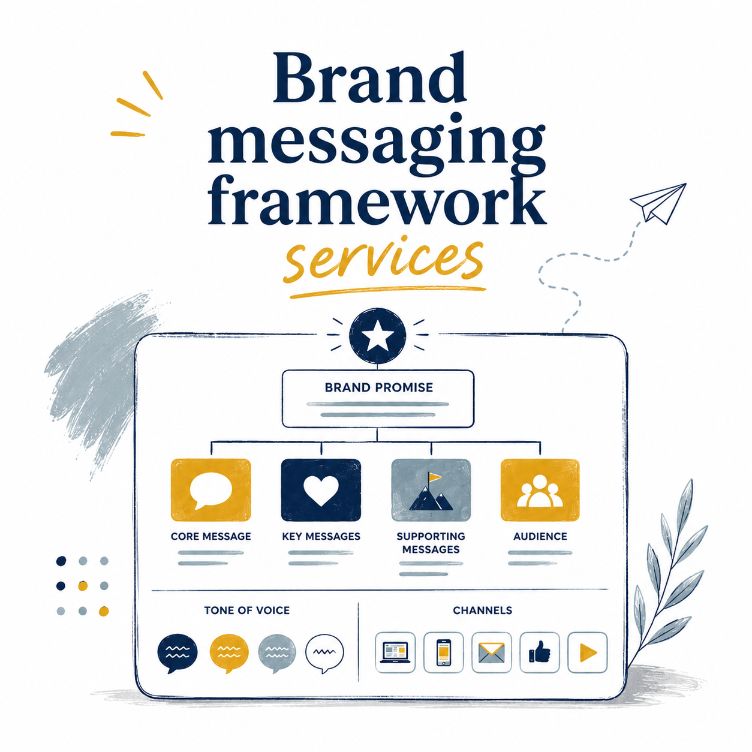
What positioning and messaging work covers.
Defining your position.
Clarifying your message.
Aligning internal understanding.
Connecting positioning to execution.
The before and after of strong positioning.
Signs your positioning needs work.
If your positioning isn’t clear, it often shows up in ways like this:
- ❌ Your brand blends in with competitors.
- ❌ Messaging varies across pages or campaigns.
- ❌ New visitors struggle to grasp your value quickly.
- ❌ You rely on lengthy explanations instead of immediate understanding.
- ❌ Sales conversations focus on describing what you do, rather than why it matters.
These issues usually point to a lack of direction behind how your brand is defined and communicated.
What changes when positioning is clear.
When positioning and messaging are defined properly, this is what it looks like:
- ✅ Your brand becomes easier to recognise and remember.
- ✅ Content production becomes faster and more consistent.
- ✅ Your website communicates value more directly.
- ✅ Sales conversations become more focused and effective.
- ✅ You attract better-fit customers more consistently.
Clarity at this level improves everything built on top of it.
Frequently asked questions about brand positioning and messaging.
Get clear answers to common questions around defining and communicating your brand.
Brand positioning defines how your business is understood in the market. It clarifies who you serve, what makes you different, and why that difference is important when customers compare options.
Brand messaging is how your positioning is expressed in words. It includes the language used across your website, content, and sales materials to communicate your value clearly and consistently.
Brand positioning defines your strategic direction. Brand messaging translates that into clear, usable language. Positioning comes first. Messaging builds on it to communicate value across channels and touchpoints.
Clear positioning helps the right customers recognise your value quickly. It improves marketing focus, shortens sales conversations, and makes it easier to compete on relevance rather than price.
A brand messaging framework is a structured set of core messages used across your business. It typically includes your value proposition, key themes, supporting points, and proof, giving teams a consistent way to communicate your brand.
Common signs your positioning is unclear include:
- Your brand sounds similar to competitors.
- Messaging changes across pages or campaigns.
- Customers need long explanations to understand your value.
- Internal teams describe the business differently.
Positioning should be revisited when your business evolves. This includes entering new markets, changing your offer, targeting a different audience, or when growth starts to slow down despite ongoing marketing efforts.
Most projects take between a few weeks and a couple of months, depending on complexity. The timeline depends on research depth, stakeholder input, and how quickly decisions are aligned internally.
Start with a clear brand positioning strategy.
Send an enquiry with a few details about your brand, and we’ll map out how to strengthen your positioning and messaging.